
A featured contribution from Leadership Perspectives, a curated forum for enterprise technology leaders, nominated by our subscribers and vetted by the CIOApplications Editorial Board.

Parsons
Making Sense of Artificial Intelligence

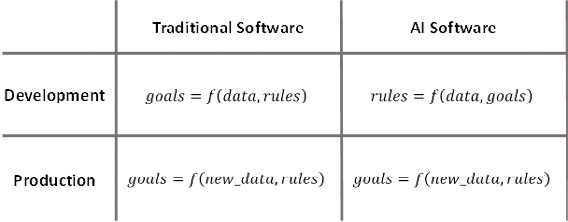
Now that we have that behind us, let us try to understand how AI can be applied. AI is algorithm, and as such, they are implemented in software and hardware. AI algorithms are fundamentally different than traditional algorithms because traditional algorithms transform data into desired goals, while AI algorithms transform data and desired goals into rules.
The development process is quite different but the implementation in production can be similar, although there is a host of new issues surrounding the maintenance of the models (rules) developed by AI algorithms. Development of traditional software is the manual creation of algorithms that create the desired outputs (goals).
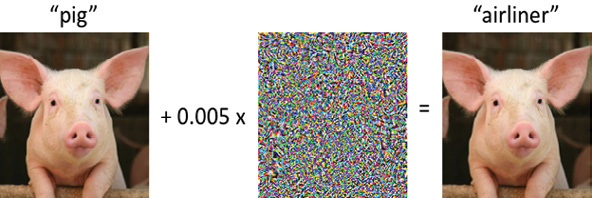
So, when things go wrong and your pig cannot fly, what do you do? You try to explain why it failed and fix it, right? Well, that is the rub. The hard part of using AI approaches is the explainability issue and that has led to slowed adoption of AI for critical tasks that have severe consequences for errors or failures. The internal architecture of an AI model is so complex it is not explainable like traditional software bugs are. When you debug traditional software, you can find the lines of code that caused the output to be wrong and fix it. With AI, it is not so simple. You have to reevaluate (retrain) your model with examples it can learn so it discriminates the way you want it to. In general, the more training data you have, the better your AI will perform.
If you decide to use AI, you will very quickly learn that the quantity and quality of your data are most of the effort. It is so important that there is a plethora of tools for cleansing, validating, munging, tracking, balancing, morphing, and synthesizing data. Most companies quickly realize that their data is not organized or complete enough to begin an AI effort.
AI is here to Stay but our Definition of AI is not. New Technologies, Like Chatgpt, Will Continue to Change our Understanding, And Someday, AI may not Feel Artificial at all, Just like a Facetime Call with Someone Halfway Across the World Would have been seen as Magic 100 Years Ago and is now Perfectly Normal
AI is here to stay but our definition of AI is not. New technologies, like ChatGPT, will continue to change our understanding, and someday, AI may not feel artificial at all, just like a Facetime call with someone halfway across the world would have been seen as magic 100 years ago and is now perfectly normal.

